
Overview
About This Condition
Uveitis occurs when the uvea, the middle layer of the eye that contains many blood vessels, becomes inflamed. Because the uvea helps nourish important eye structures, inflammation can affect vision and overall eye health.
Uveitis may develop suddenly or gradually and can affect one or both eyes. The condition can occur in different parts of the eye and may range from mild to severe. Without prompt treatment, uveitis can lead to serious complications and permanent vision loss.
There are several forms of uveitis depending on which part of the eye is affected. Some cases resolve quickly with treatment, while others may recur over time and require ongoing management.
Eye Inflammation
Inflammation Inside the Eye Requires Prompt Attention
Recognizing symptoms early may help reduce the risk of vision-threatening complications.
Symptoms
Eye redness
Eye pain
Sensitivity to bright light
Blurred vision
Floaters (spots or moving clouds in vision)
Sudden vision changes
Decreased vision
Symptoms that may develop suddenly or gradually
Risk Factors
Shingles virus
Herpes simplex virus
Lyme disease
Tuberculosis
Syphilis
Inflammatory bowel disease (IBD)
Rheumatoid arthritis
Eye injuries
Smoking
Certain autoimmune disorders
Previous episodes of uveitis
Diagnosis
How This Condition is Diagnosed
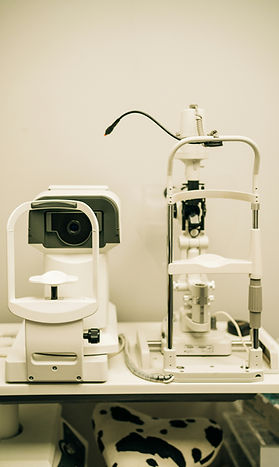
Uveitis is diagnosed through a comprehensive eye examination. Your ophthalmologist will examine the inside of the eye to look for signs of inflammation and determine which structures are affected.
Because uveitis is often associated with other medical conditions, additional testing may be recommended. Blood tests, skin tests, imaging studies, and other diagnostic evaluations may help identify the underlying cause of the inflammation.
Treatment plans vary by patient and condition. Consult with your eye care specialist for personalized recommendations.
Treatment
Treatment Options
Treatment is aimed at reducing inflammation, relieving symptoms, and preventing vision loss.
Treatment options may include:
Corticosteroid medications
Eye drops to reduce inflammation
Dilating eye drops to reduce pain and prevent complications
Injectable medications in certain cases
Treatment of underlying infections or systemic diseases
Collaboration with other medical specialists when appropriate
Prompt treatment is important because untreated uveitis can lead to permanent vision loss.