
Overview
About This Condition
A retinal tear develops when the retina, the light-sensitive tissue at the back of the eye, develops a small break or opening. This most commonly occurs when changes in the vitreous gel inside the eye pull on the retina.
While a retinal tear may not immediately cause severe vision loss, it can become a serious problem if fluid passes through the tear and lifts the retina away from the back of the eye. This can lead to a retinal detachment, which is an eye emergency.
Early detection and treatment of retinal tears can help prevent retinal detachment and preserve vision.
Urgent Symptoms
New Flashes or Floaters Should Never Be Ignored
Prompt evaluation can help prevent progression to retinal detachment.
Symptoms
Sudden onset of floaters
Flashes of light
Blurred vision
New dark spots in vision
Large numbers of floaters appearing suddenly
Vision changes affecting one eye
Symptoms associated with vitreous changes
Occasionally no symptoms at all
Risk Factors
Increasing age
Severe nearsightedness (high myopia)
Previous cataract surgery
Prior eye surgery
Eye injury or trauma
Previous retinal tear
Retinal detachment in the other eye
Family history of retinal tears or detachment
Conditions affecting the vitreous gel
Diagnosis
How This Condition is Diagnosed
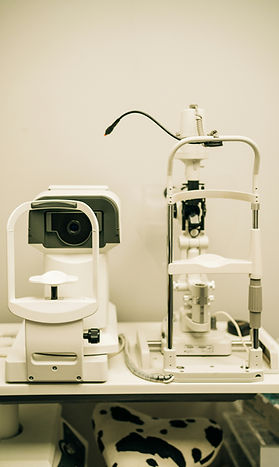
A retinal tear is diagnosed during a comprehensive dilated eye examination. Your ophthalmologist will place dilating drops in your eyes to allow a detailed examination of the retina.
Prompt evaluation is important whenever flashes, floaters, or other sudden vision changes occur because retinal tears can sometimes progress to retinal detachment if left untreated.
Treatment plans vary by patient and condition. Consult with your eye care specialist for personalized recommendations.
Treatment
Treatment Options
Treatment is designed to seal the retinal tear and prevent fluid from passing underneath the retina.
Common treatment options include:
Laser Retinopexy, which uses laser energy to create small scars that seal the retina to the underlying tissue
Cryopexy, which uses controlled freezing to create a seal around the retinal tear
These procedures are typically performed in the office and are intended to reduce the risk of retinal detachment.