
Overview
About This Condition
Styes and chalazia are common conditions that affect the eyelids and often appear as swollen bumps near the eyelid margin.
A stye is usually caused by an infection of an eyelid gland or eyelash follicle. It often develops quickly and may be red, tender, and painful.
A chalazion occurs when an oil-producing gland in the eyelid becomes blocked. Unlike a stye, a chalazion is typically not caused by infection and is usually less painful.
Although these conditions can look similar, both are generally treatable and rarely cause permanent vision problems.
Eyelid Health
Understanding Common Eyelid Bumps and Irritation
While often harmless, persistent symptoms may require medical evaluation.
Symptoms
A bump along the eyelid
Eyelid swelling
Redness around the eyelid
Tenderness or pain
Sensitivity to light
Tearing
Crusting along the eyelid margin
Feeling like something is in the eye
Scratchy or irritated sensation
A painless lump in the eyelid (common with chalazia)
Blurred vision if the bump becomes large
Risk Factors
Blepharitis
Rosacea
Seborrheic dermatitis
Diabetes
Previous styes or chalazia
Chronic eyelid inflammation
Blocked oil glands in the eyelids
Poor eyelid hygiene
Diagnosis
How This Condition is Diagnosed
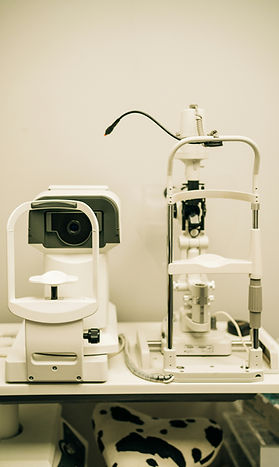
Styes and chalazia are usually diagnosed during an eye examination. Your ophthalmologist will evaluate the appearance and location of the eyelid lump and determine whether infection or gland blockage is present.
Most cases can be diagnosed through examination alone. Additional evaluation may be recommended if a lesion repeatedly returns or appears unusual.
Treatment plans vary by patient and condition. Consult with your eye care specialist for personalized recommendations.
Treatment
Treatment Options
Treatment depends on whether the condition is a stye or a chalazion and how severe the symptoms are.
Common treatment options include:
Warm compresses applied several times per day
Gentle eyelid massage after warm compresses
Eyelid hygiene measures
Antibiotic medication for infected styes
Steroid injections for persistent chalazia
Drainage procedures performed in the office when necessary
Most styes and chalazia improve with conservative treatment, although some may require additional intervention if they persist or recur.