
Overview
About This Condition
Macular pucker occurs when a thin layer of scar tissue forms on the macula, the central part of the retina responsible for sharp, detailed vision. As this tissue contracts, it can wrinkle or distort the surface of the retina.
The condition typically develops slowly and may affect one eye. Some people experience only mild vision changes, while others develop significant distortion that interferes with reading, driving, or other daily activities.
Macular pucker is sometimes called an epiretinal membrane. Although it can affect vision, many cases remain stable and do not require treatment.
Retinal Changes
Small Changes in the Macula Can Have a Noticeable Impact on Vision
Symptoms often develop gradually and may affect reading or detailed tasks.
Symptoms
Blurred central vision
Distorted vision where straight lines appear bent or wavy
Difficulty reading small print
Trouble seeing fine details
Objects appearing larger or smaller than they actually are
Difficulty performing close-up tasks
Reduced quality of central vision
Vision changes that gradually worsen over time
Risk Factors
Aging
Previous retinal conditions
Prior eye surgery
Eye inflammation
Retinal tears or detachments
Blood vessel disorders affecting the retina
Other conditions that may damage the retina
Diagnosis
How This Condition is Diagnosed
Macular pucker is diagnosed during a comprehensive eye examination. Your ophthalmologist will carefully examine the retina and macula to identify any wrinkling or scar tissue.
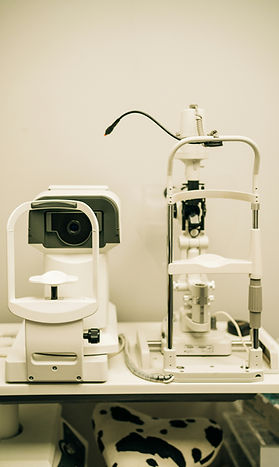
Specialized retinal imaging, including Optical Coherence Tomography (OCT), is commonly used to evaluate the macula and determine the severity of the condition. OCT provides detailed cross-sectional images that help guide treatment decisions.
Treatment plans vary by patient and condition. Consult with your eye care specialist for personalized recommendations.
Treatment
Treatment Options
Treatment depends on the severity of symptoms and how much vision is affected.
If symptoms are mild, treatment may not be necessary. Your ophthalmologist may recommend monitoring the condition and updating eyeglass prescriptions as needed.
For more significant vision problems, surgery called a vitrectomy may be recommended. During this procedure, the scar tissue is carefully removed from the surface of the macula, allowing the retina to return to a more natural position.
Vision often improves gradually after surgery, although the degree of improvement varies from person to person.