
Overview
About This Condition
Fuchs' Dystrophy is a disease that affects the cornea, the clear dome-shaped window at the front of the eye. The condition occurs when endothelial cells, which normally pump excess fluid out of the cornea, gradually stop functioning properly.
As these cells are lost over time, fluid begins to accumulate within the cornea. This causes swelling and clouding that can make vision appear blurry or hazy.
Fuchs' Dystrophy usually progresses slowly and often affects both eyes. Early stages may cause only mild symptoms, while later stages can lead to persistent blurred vision and discomfort.
Corneal Health
Changes in the Cornea Can Lead to Progressive Vision Problems
Recognizing symptoms early can support effective management and monitoring.
Symptoms
Blurry or hazy vision, especially upon waking
Vision that gradually improves during the day in early stages
Persistent blurry vision in later stages
Glare and sensitivity to bright light
Sandy or gritty sensation in the eyes
Eye discomfort
Difficulty seeing in humid environments
Reduced visual clarity
Very blurry vision from corneal scarring
Eye pain if corneal blisters develop and rupture
Risk Factors
Age over 30 to 40 years
Family history of Fuchs' Dystrophy
Genetic predisposition
Progressive loss of endothelial cells
Corneal disease affecting the endothelium
Diagnosis
How This Condition is Diagnosed
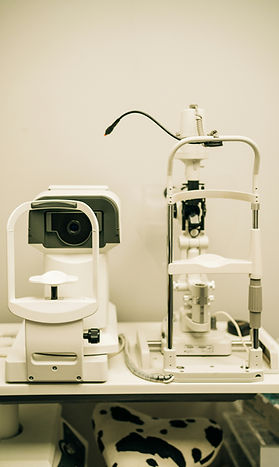
Fuchs' Dystrophy is diagnosed during a comprehensive eye examination. Your ophthalmologist will closely examine the cornea and measure its thickness using specialized testing called pachymetry.
The doctor will also evaluate the endothelial cells and look for characteristic changes on the inner surface of the cornea. These findings help determine the severity and progression of the disease.
Treatment plans vary by patient and condition. Consult with your eye care specialist for personalized recommendations.
Treatment
Treatment Options
There is currently no cure for Fuchs' Dystrophy, but treatment can help manage symptoms and improve vision.
Early treatment options may include:
Eye drops or ointments to reduce corneal swelling
Warm air from a hair dryer held at arm's length to help dry excess moisture from the cornea
As the disease progresses and vision becomes significantly affected, corneal transplant surgery may be recommended.
One common procedure is Endothelial Keratoplasty (EK), which replaces the damaged inner layer of the cornea with healthy donor tissue. Your ophthalmologist will recommend the treatment option that is most appropriate for your condition.