
Overview
About This Condition
Dry eye is a common condition that occurs when the eyes do not produce enough tears or when tears evaporate too quickly. Tears play an important role in maintaining the health and comfort of the eye's surface.
When the eyes are not adequately lubricated, symptoms such as irritation, burning, blurred vision, and discomfort may develop. Dry eye can range from a mild annoyance to a chronic condition that affects daily activities such as reading, driving, and computer use.
Dry eye can occur at any age but becomes more common as people get older. Women are affected more frequently than men, especially after menopause.
Comfort & Clarity
Healthy Tears Play an Important Role in Everyday Vision
Dry eye symptoms can range from mild irritation to significant visual discomfort.
Symptoms
Stinging, burning, or scratchy eyes
Blurred vision, especially during reading
A gritty or sandy sensation
Stringy mucus around the eyes
Excessive tearing
Discomfort in windy or smoky environments
Eye redness
Sensitivity to light
Eye fatigue
Risk Factors
Aging
Hormonal changes, particularly after menopause
Rheumatoid arthritis
Sjögren's syndrome
Thyroid disease
Lupus
Blepharitis
Eyelid abnormalities
Long-term contact lens use
Refractive surgery
Extended computer use
Dry climates
Smoke exposure
Certain medications including:
Diuretics
Beta blockers
Antihistamines
Decongestants
Sleeping medications
Anxiety medications
Antidepressants
Heart medications
Diagnosis
How This Condition is Diagnosed
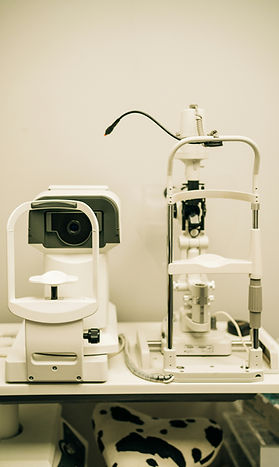
Dry eye is diagnosed during a comprehensive eye examination. Your ophthalmologist will evaluate your symptoms, medical history, tear production, and the overall health of your eyes.
Specialized testing may be performed to determine the quantity and quality of tears being produced and to identify underlying causes contributing to dry eye symptoms.
Treatment plans vary by patient and condition. Consult with your eye care specialist for personalized recommendations.
Treatment
Treatment Options
Treatment depends on the cause and severity of dry eye.
Common treatment options include:
Artificial tears
Prescription eye drops
Warm compresses
Eyelid hygiene and management of blepharitis
Managing underlying medical conditions
Environmental modifications
Adjusting medications when appropriate
Increasing humidity in living and work spaces
Taking breaks during prolonged screen use
Your ophthalmologist will recommend a treatment plan based on your specific symptoms and the underlying cause of your dry eye.