
Overview
About This Condition
A detached retina occurs when the retina, the light-sensitive tissue lining the back of the eye, pulls away from its normal position. Because the retina is responsible for sending visual signals to the brain, a detachment can quickly threaten vision.
As the retina separates from the tissues that supply it with oxygen and nutrients, vision may become increasingly impaired. Without treatment, a detached retina can lead to permanent vision loss.
A detached retina is considered a medical emergency. Early diagnosis and prompt treatment offer the best chance of preserving vision.
Medical Emergency
Rapid Treatment Is Critical for Protecting Vision
Understanding warning signs can help patients seek care without delay.
Symptoms
Sudden increase in floaters
Flashes of light
Blurred vision
Reduced side (peripheral) vision
A shadow or curtain appearing across part of your vision
Sudden vision loss
Vision changes affecting one eye
Progressive loss of visual field
Risk Factors
Increasing age
Severe nearsightedness (high myopia)
Previous retinal tear
Previous retinal detachment
Eye injury or trauma
Prior eye surgery
Family history of retinal detachment
Certain retinal disorders
Changes in the vitreous gel inside the eye
Diagnosis
How This Condition is Diagnosed
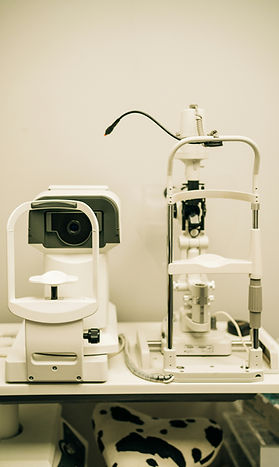
Detached retina is diagnosed during a comprehensive dilated eye examination. Your ophthalmologist will use specialized instruments to examine the retina and identify any tears, holes, or areas where the retina has separated from the back of the eye.
Prompt evaluation is essential whenever symptoms such as flashes, floaters, or a curtain-like shadow occur, as early treatment may help prevent progression of the detachment.
Treatment plans vary by patient and condition. Consult with your eye care specialist for personalized recommendations.
Treatment
Treatment Options
Treatment depends on the location and severity of the retinal detachment.
Common treatment options include:
Pneumatic Retinopexy, which uses a gas bubble inside the eye to help reposition the retina
Vitrectomy, which removes the vitreous gel and repairs the retina
Additional retinal procedures to seal retinal tears and secure the retina in place
After treatment, patients may need to maintain specific head positioning and follow postoperative instructions carefully to support healing.