
Overview
About This Condition
Cystoid Macular Edema (CME) is a condition in which fluid-filled cyst-like spaces develop within the macula, the part of the retina responsible for sharp central vision.
When fluid accumulates within the macula, the retinal tissue swells and vision may become blurred or distorted. CME can affect activities that rely on detailed central vision, such as reading, driving, and recognizing faces.
CME is often associated with other eye conditions, eye surgery, inflammation, diabetes, or diseases affecting the retinal blood vessels. Identifying and treating the underlying cause is an important part of managing CME.
Retinal Swelling
Fluid Accumulation in the Macula Can Distort Central Vision
Recognizing symptoms and underlying causes can help support timely diagnosis and treatment.
Symptoms
Blurred central vision
Distorted vision
Difficulty reading
Difficulty seeing fine details
Reduced visual clarity
Vision changes affecting daily activities
Colors appearing less vivid
Central vision that appears hazy or washed out
Risk Factors
Diabetes
Retinal vein occlusion
Uveitis
Recent cataract surgery
Retinal blood vessel disorders
Eye inflammation
Other retinal diseases
Conditions affecting the macula
Diagnosis
How This Condition is Diagnosed
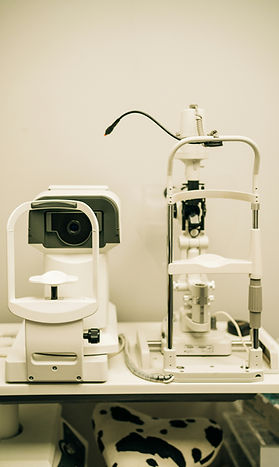
CME is diagnosed through a comprehensive eye examination. Your ophthalmologist will evaluate the retina and macula and may use specialized imaging to identify swelling within the retinal tissue.
Optical Coherence Tomography (OCT) is commonly used to produce detailed cross-sectional images of the retina and measure the amount of fluid present in the macula.
Additional testing may be performed to identify the underlying cause of the swelling and guide treatment decisions.
Treatment plans vary by patient and condition. Consult with your eye care specialist for personalized recommendations.
Treatment
Treatment Options
Treatment depends on the cause and severity of the macular swelling.
Treatment options may include:
Anti-inflammatory eye drops
Steroid eye drops
Injections of medication into the eye
Medications that reduce retinal swelling
Laser treatment for leaking retinal blood vessels
Vitrectomy surgery in selected cases
Treatment is often directed not only at the swelling itself but also at the underlying condition responsible for the CME.