
Overview
About This Condition
A cataract develops when the clear lens inside the eye becomes cloudy. The lens normally focuses light onto the retina, allowing us to see clearly. As the lens becomes clouded, vision may become blurry, hazy, or less vibrant.
Cataracts are a common part of aging and often develop gradually over time. Many people experience cataracts as they grow older, although they can also occur due to injury, medical conditions, certain medications, or other factors.
While cataracts cannot be reversed, modern cataract surgery is a safe and effective treatment that can restore clear vision for many patients.
Clear Vision
Gradual Lens Changes Can Affect How You See the World
Understanding common symptoms can help determine when treatment may be appropriate.
Symptoms
Blurry or cloudy vision
Seeing double in one eye
Sensitivity to light and glare
Difficulty driving at night
Seeing halos around lights
Colors appearing faded or yellow
Frequent changes in eyeglass prescriptions
Needing brighter light for reading
Difficulty performing everyday visual tasks
Risk Factors
Aging
Smoking
Excessive sun exposure
Diabetes
Certain eye diseases
Previous eye injuries
Previous eye surgery
Long-term use of steroid medications
Family history of cataracts
High levels of ultraviolet (UV) light exposure
Diagnosis
How This Condition is Diagnosed
Cataracts are diagnosed during a comprehensive eye examination. Your ophthalmologist will evaluate the health of your eyes, assess your vision, and determine whether cataracts are affecting your daily activities.
Regular eye examinations are important because cataracts often develop gradually, and changes in vision may occur slowly over time.
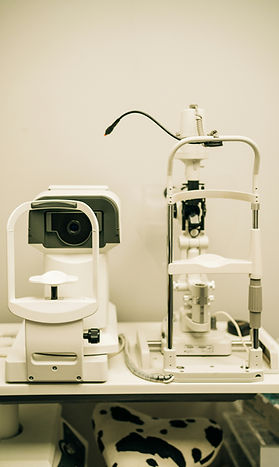
Treatment plans vary by patient and condition. Consult with your eye care specialist for personalized recommendations.
Treatment
Treatment Options
Treatment depends on the severity of symptoms and how much the cataract is affecting daily life.
In the early stages, updated eyeglasses, brighter lighting, and other vision aids may improve sight. As cataracts progress, surgery may be recommended.
Cataract surgery removes the cloudy natural lens and replaces it with a clear artificial lens called an intraocular lens (IOL). Modern cataract surgery is one of the most commonly performed and successful procedures in medicine and can significantly improve vision and quality of life.