772.287.9000 Stuart
772.287.9000 Stuart
772.287.9000 Stuart

Overview
About This Condition
Glaucoma is a group of eye conditions that damage the optic nerve, which is responsible for transmitting visual information from the eye to the brain. This damage is often associated with increased pressure inside the eye, although glaucoma can also develop in individuals with normal eye pressure.
Often referred to as the "silent thief of sight," glaucoma frequently develops without noticeable symptoms in its early stages. As the condition progresses, it can gradually affect peripheral (side) vision and eventually lead to permanent vision loss or blindness if left untreated.
While there is no cure for glaucoma, early detection and proper treatment can help slow or prevent further vision loss. Depending on the type and severity of the condition, treatment options may include prescription eye drops, laser procedures, or surgery to help manage eye pressure and protect the optic nerve.
Regular comprehensive eye examinations are essential for identifying glaucoma before significant vision loss occurs. With early diagnosis, consistent monitoring, and appropriate treatment, many individuals with glaucoma can preserve their vision and maintain their quality of life.
Glaucoma Awareness
Understanding Glaucoma Symptoms and Risk Factors
Symptoms
No early symptoms: Glaucoma often develops gradually without noticeable warning signs.
Blurred vision: Vision may become blurry as the condition progresses.
Loss of peripheral vision: Reduced side vision, sometimes called “tunnel vision.”
Halos around lights: Seeing rings or halos around light sources.
Eye pain or pressure: Discomfort or a feeling of pressure in or around the eyes.
Importance of regular eye exams: Routine examinations help detect glaucoma early and prevent vision loss.
Risk Factors
High eye pressure: Increased intraocular pressure (IOP) can damage the optic nerve over time.
Family history: Having a relative with glaucoma increases your risk.
Age: The risk of developing glaucoma increases with age.
Race and ethnicity: African Americans and Hispanics have a higher risk of certain types of glaucoma.
Medical conditions: Diabetes and high blood pressure may increase the risk of developing glaucoma.
Diagnosis
How This Condition is Diagnosed
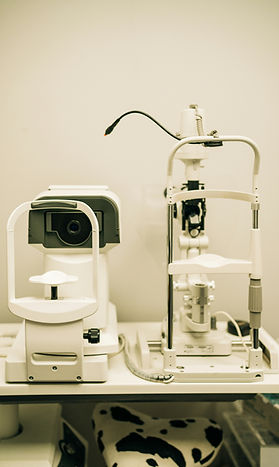
Glaucoma is diagnosed through a comprehensive eye exam using specialized tests to measure eye pressure, examine the optic nerve, and assess peripheral vision. These tests help detect signs of glaucoma, evaluate eye health, and determine the most appropriate treatment plan.
Treatment
Treatment Options
Treatment plans vary by patient and condition. Consult with your eye care specialist for personalized recommendations.
Glaucoma treatment focuses on lowering intraocular pressure (IOP) to help protect the optic nerve and prevent further vision loss. Depending on the type and severity of glaucoma, treatment may include medications, laser therapy, or surgery.
Medications
Prescription eye drops are commonly used to lower eye pressure. Sustained-release medication options may also be considered for eligible patients.
Laser Therapies
Selective Laser Trabeculoplasty (SLT): Helps improve fluid drainage from the eye to reduce pressure.
Laser Peripheral Iridotomy (YAG): Creates a small opening in the iris to improve fluid flow in patients with narrow drainage angles or those at risk of angle-closure glaucoma.
Minimally Invasive Glaucoma Surgery (MIGS)
OMNI® Surgical System: Targets the eye's natural drainage pathways to improve fluid outflow and lower pressure. The procedure may be performed independently or alongside cataract surgery when appropriate.
Traditional Glaucoma Surgery
For patients who require greater pressure reduction or whose glaucoma is not adequately controlled with other treatments, traditional surgical procedures may be recommended.
Treatment recommendations depend on the type of glaucoma, eye pressure, disease severity, and individual patient needs.