772.287.9000 Stuart
772.287.9000 Stuart
772.287.9000 Stuart

Overview
About This Condition
Diabetic retinopathy is a diabetes-related eye condition that affects the retina, the light-sensitive tissue at the back of the eye responsible for capturing visual information. It develops when prolonged high blood sugar levels damage the retina's small blood vessels, causing them to leak, swell, or become blocked. Over time, this damage can interfere with normal vision and lead to serious complications.
In its early stages, diabetic retinopathy often develops without noticeable symptoms. As the condition progresses, individuals may experience blurred vision, dark spots or floaters, and other visual disturbances. In more advanced cases, abnormal blood vessels may develop, increasing the risk of bleeding, retinal detachment, and permanent vision loss.
Although diabetic retinopathy can cause significant vision problems, early detection and appropriate treatment can help preserve eyesight. Depending on the severity of the condition, treatment may include careful monitoring, improved diabetes management, medication injections, laser procedures, or surgery.
Regular comprehensive dilated eye examinations are essential for individuals with diabetes, even when vision appears normal. By maintaining healthy blood sugar levels, managing other risk factors, and following recommended eye care, patients can reduce their risk of complications and protect their long-term vision.
Diabetic Eye Health
Understanding Diabetic Retinopathy Symptoms and Risk Factors
Symptoms
No early symptoms: Diabetic retinopathy may develop without noticeable warning signs.
Blurred vision: Vision may become blurry or fluctuate as the condition progresses.
Floaters or dark spots: Small dark shapes or spots may appear in your field of vision.
Light sensitivity: Increased sensitivity to bright light may occur, although it is not a typical symptom.
Eye pain: Pain is not a typical symptom of diabetic retinopathy and may indicate another eye condition.
Importance of regular eye exams: Routine examinations help detect diabetic retinopathy early and reduce the risk of vision loss.
Risk Factors
High blood sugar: Elevated glucose levels can damage the small blood vessels in the retina.
Prolonged high blood sugar: Consistently elevated blood sugar can cause retinal blood vessels to leak or become blocked.
Poor diabetes management: Difficulty controlling blood sugar levels increases the risk of developing diabetic retinopathy and its progression.
Diagnosis
How This Condition is Diagnosed
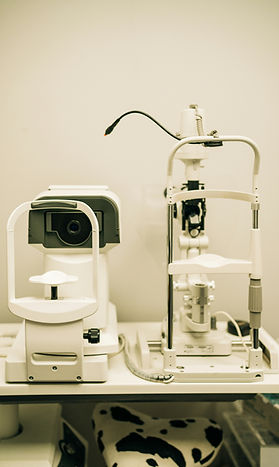
Diabetic retinopathy is diagnosed through a comprehensive dilated eye exam, allowing your ophthalmologist to examine the retina for signs of damage. Specialized imaging tests, such as optical coherence tomography (OCT) and retinal angiography, may also be used to detect swelling, identify leaking or blocked blood vessels, and evaluate abnormal blood vessel growth. These tests help determine the severity of the condition and guide the most appropriate treatment plan.
Treatment
Treatment Options
Treatment plans vary by patient and condition. Consult with your eye care specialist for personalized recommendations.
Treatment for diabetic retinopathy depends on the severity of the condition and whether retinal swelling, bleeding, or abnormal blood vessel growth is present. Early detection and ongoing management are essential to protecting vision.
Advanced Imaging & Monitoring
Regular dilated eye exams and advanced imaging, including Optical Coherence Tomography (OCT) and retinal photography, help detect changes in the retina and monitor disease progression.
Medication Injections
Anti-VEGF Injections: Help reduce retinal swelling and abnormal blood vessel growth, particularly in patients with diabetic macular edema (DME).
Steroid Injections: May be considered in certain cases to reduce persistent retinal swelling.
Laser Treatments
Focal/Grid Laser Therapy: Targets leaking blood vessels to help reduce retinal swelling.
Panretinal Photocoagulation (PRP): Treats abnormal blood vessel growth in advanced diabetic retinopathy to reduce the risk of vision loss.
Surgical Treatment
In advanced cases involving significant bleeding or scar tissue, a procedure called a vitrectomy may be necessary. Patients may be referred for specialized surgical care when appropriate.
Diabetes Management & Ongoing Care
Maintaining healthy blood sugar, blood pressure, and cholesterol levels is essential to slowing disease progression. Coordination with primary care physicians and diabetes specialists helps support long-term eye health.
Treatment plans are personalized based on retinal health, disease severity, and individual patient needs. Regular follow-up examinations help determine whether additional treatment is necessary.